
Patron saint of disciplined wonder
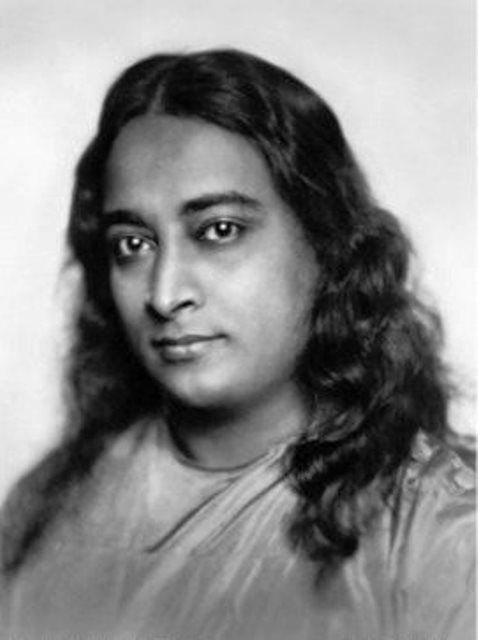
Paramahansa Yogananda
Wonder is easy to fall in love with. Making time for it on an ordinary Tuesday takes practice. Yogananda brings that discipline to this collection, along with a religious tradition that deserves careful study. Curiosity and honest doubt are welcome in the same conversation.
- Practice
- Wonder
- Discernment
01 · Context
A practice carried across an ocean.
Paramahansa Yogananda arrived in the United States from India in 1920 to attend a religious congress in Boston. He founded Self-Realization Fellowship that year and established its international headquarters in Los Angeles in 1925. The organization teaches yoga and meditation with an emphasis on direct spiritual experience.
His Autobiography of a Yogi appeared in 1946. It includes accounts of teachers, religious experiences, and extraordinary spiritual claims. Self-Realization Fellowship preserves that tradition and offers a primary account of its beliefs. Those extraordinary claims remain religious testimony.
Read the sources ↓02 · Infinite Hand’s reflection
What we take from it.
These are Infinite Hand’s interpretations. Bring your own reading to the conversation.
Put practice on the calendar
Choose a few minutes you can give regularly. Keep it small enough to return after a missed day. Notice your impatience, gratitude, and habits as they are, without demanding a revelation.
Learn where a practice comes from
Find out who teaches it, what its name means, and how its community understands it. Name the difference when your own interpretation departs from theirs.
Bring attention into your relationships
Look for changes in how you listen, keep a promise, or handle disagreement. A private spiritual experience still leaves you responsible for how you treat people.
03 · The difficult part
Wonder without surrendering judgment.
Respect for a tradition can live beside honest doubt.
A charismatic teacher or an intense experience can make it tempting to hand over your judgment. Keep asking questions. You can respect a tradition, doubt a claim, and decide a practice is a poor fit. Teachers and students both need clear boundaries and the freedom to leave.
04 · Bring it into today
Try something from this.
- Set aside five comfortable minutes for silence, reflection, or reading. Notice what happens without demanding a dramatic result.
- Make two columns while reading: what the passage says, and your interpretation. Keep a place for unanswered questions.
- Give one ordinary promise the attention you would bring to a ritual. Follow through on it.
05 · Five-minute practice
Put wonder on the calendar.
Plan a practice small enough to return to, without demanding a revelation.
Private by design: nothing you write here is sent or stored. Copy it before leaving if you want to keep it.
06 · Look a little closer
Images, history, and credits.
Unknown photographer · Public domain in the United States (1946 publication; copyright not renewed)
View the collection record ↗

Resized for web display; full composition retained.
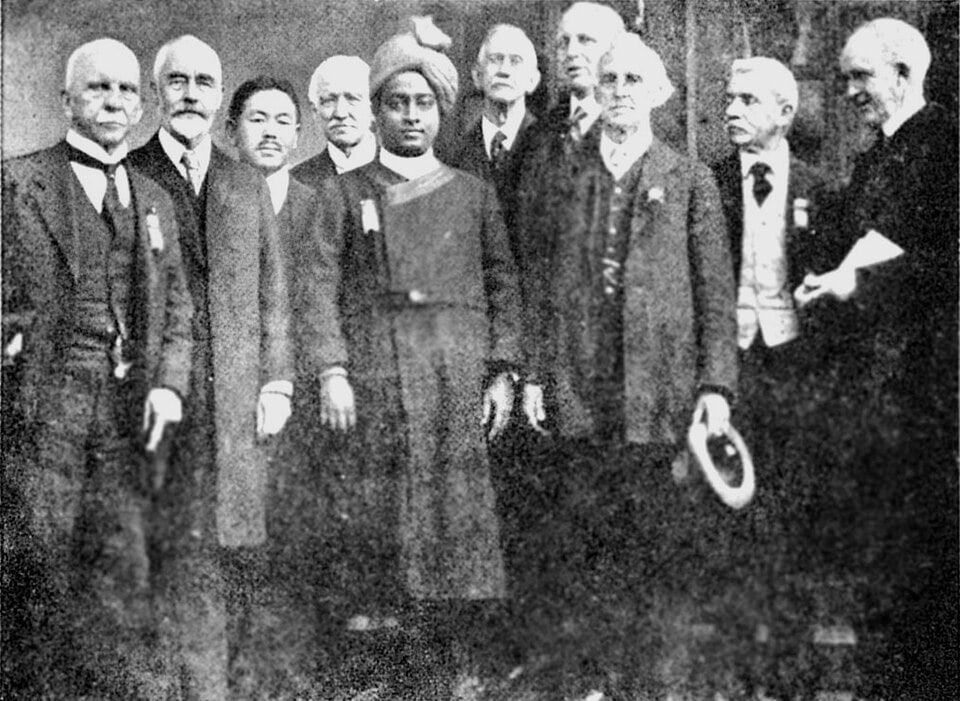
Unknown photographer; reproduced in Autobiography of a Yogi · Public domain in the United States (expired publication copyright)
View the collection record ↗

Resized for web display; full composition retained.
Sources
Keep reading and watching.
- Self-Realization Fellowship: Biography of Paramahansa Yogananda ↗
- Self-Realization Fellowship: Autobiography of a Yogi ↗
An independent Infinite Hand cultural and spiritual reflection. Inclusion does not imply affiliation or endorsement by the figures, performers, creators, or rights holders.
More people and stories