
Patron saint of impossible currents
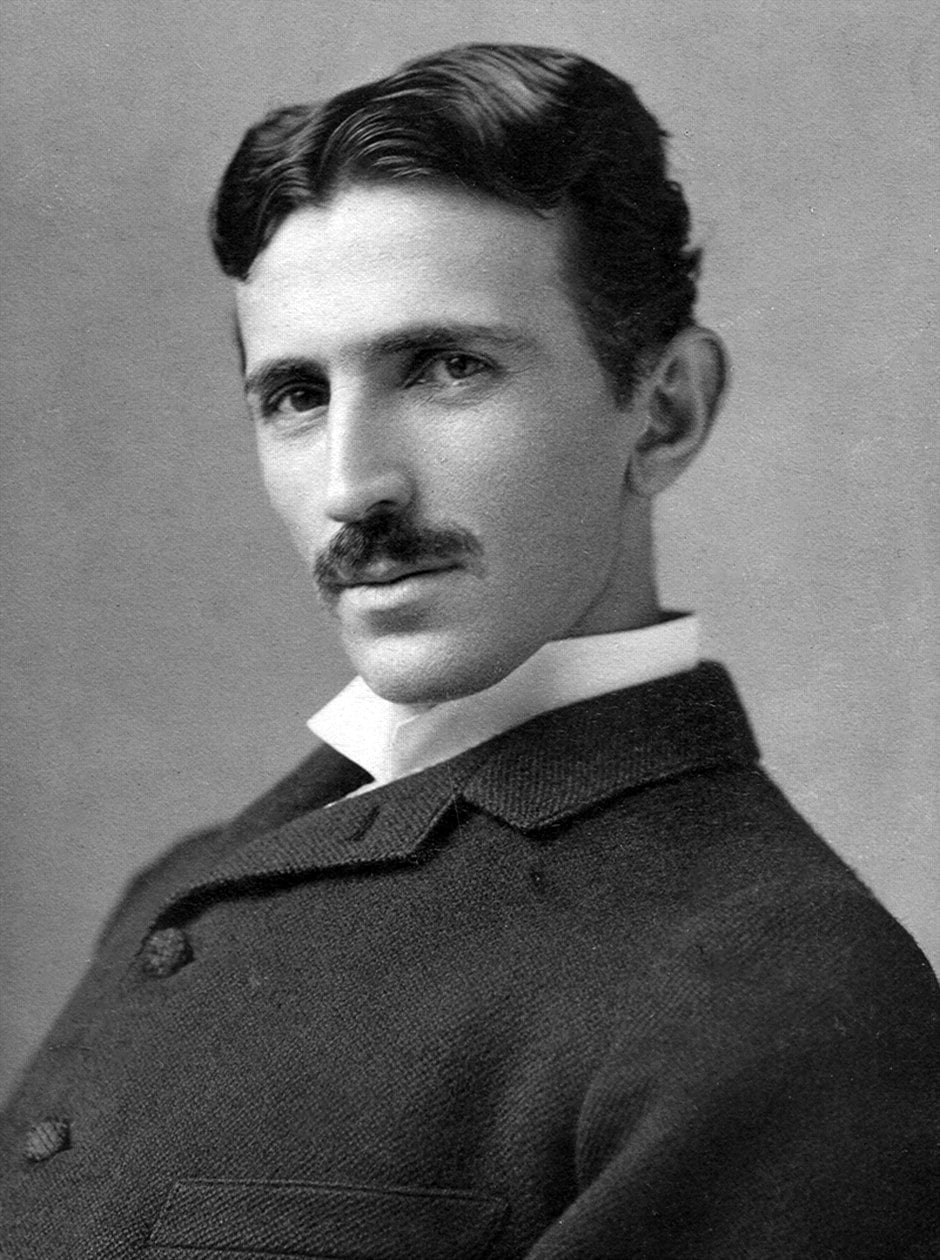
Nikola Tesla
Tesla could imagine a system other people could not yet see. Sometimes he helped build it; sometimes the ambition outran the result. Both belong in the story. Our solarpunk hopes need imagination, experiments, and somebody willing to ask who will maintain the thing six months from now.
- Experiment
- Imagination
- Evidence
01 · Context
Current, spectacle, and unfinished work.
Nikola Tesla contributed to practical alternating-current power systems, including the induction motor and polyphase technologies developed in the late 1880s. The Tesla Science Center distinguishes that work from the invention of alternating current itself, which came earlier. Other researchers and engineers helped build the wider field.
Construction began at Wardenclyffe on Long Island in 1901. Tesla intended its laboratory and tower for wireless communication and power transmission. The project never fulfilled that ambition. The surviving site records the equipment, buildings, financing, and unfinished work behind a sweeping proposal.
Read the sources ↓02 · Infinite Hand’s reflection
What we take from it.
These are Infinite Hand’s interpretations. Bring your own reading to the conversation.
Make something you can test
Draw it, model it, or try a small experiment. Write down what you expect and what result would change your mind. Let the test teach you something, including when the idea fails.
Credit the people behind it
An invention depends on earlier work, tools, money, and maintenance. Name the contributions. Check whether the people doing the less visible work have what they need.
Let the users help decide
Ask who gets access, who does the upkeep, and who bears a failure. Include the people who will live with the system while you can still change the design.
03 · The difficult part
Imagination still owes us evidence.
A beautiful theory becomes useful when it survives a clear test.
Stories of a lone genius whose every proposal was suppressed make Tesla harder to understand. His documented achievements are enough to deserve attention. Failed experiments, collaborators, and unresolved claims belong beside them. An unfinished proposal still needs evidence before anyone can call it a working technology.
04 · Bring it into today
Try something from this.
- Choose one idea and build the smallest test that could teach you something. Record the result even if it disappoints you.
- List the people, tools, and earlier work your project depends on. Give credit and address one neglected need.
- Ask who will maintain the project in six months. Include their time and preferences before expanding it.
05 · Experiment canvas
Build the smallest honest test.
Turn a bright idea into a bounded experiment with a real stopping point.
Private by design: nothing you write here is sent or stored. Copy it before leaving if you want to keep it.
06 · Look a little closer
Images, history, and credits.
Napoleon Sarony · Public domain (expired term; pre-1931 US publication)
View the collection record ↗
Resized for web display; full composition retained.
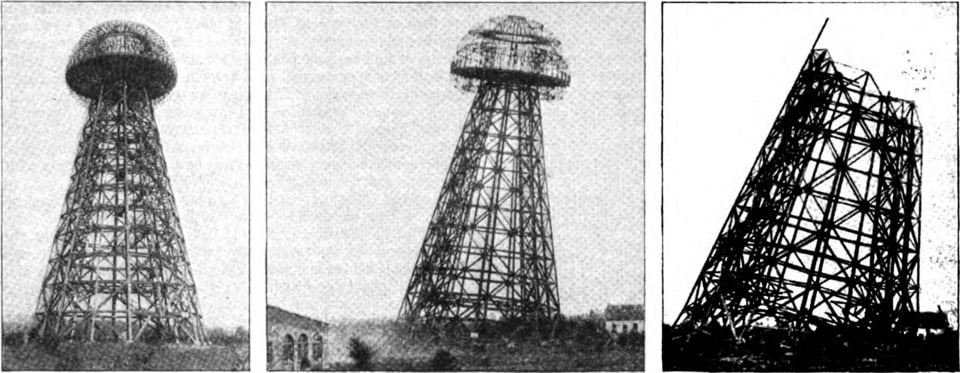
American Press Association (attributed) · Public domain in the United States (published in 1917; copyright expired)
View the collection record ↗

Resized for web display; full composition retained.
Sources
Keep reading and watching.
An independent Infinite Hand cultural and spiritual reflection. Inclusion does not imply affiliation or endorsement by the figures, performers, creators, or rights holders.
More people and stories