
Intelligence, power, and the questions we still have
Ultimate Intelligence
We can spend a good evening on a question this large. In Dan Simmons’s Hyperion books, Ultimate Intelligence is a fictional ambition with frightening consequences. Here it also starts a conversation about knowledge, consciousness, and what great power would owe to vulnerable life. We keep our speculation visible as speculation.
- Knowledge
- Speculation
- Responsibility
01 · Context
A fictional intelligence at cosmic scale.
The publisher’s description of The Fall of Hyperion describes artificial intelligences pursuing an Ultimate Intelligence with godlike scope. Its emergence threatens humanity. Simmons connects technology and theology while making the goals of a vastly capable machine a source of danger.
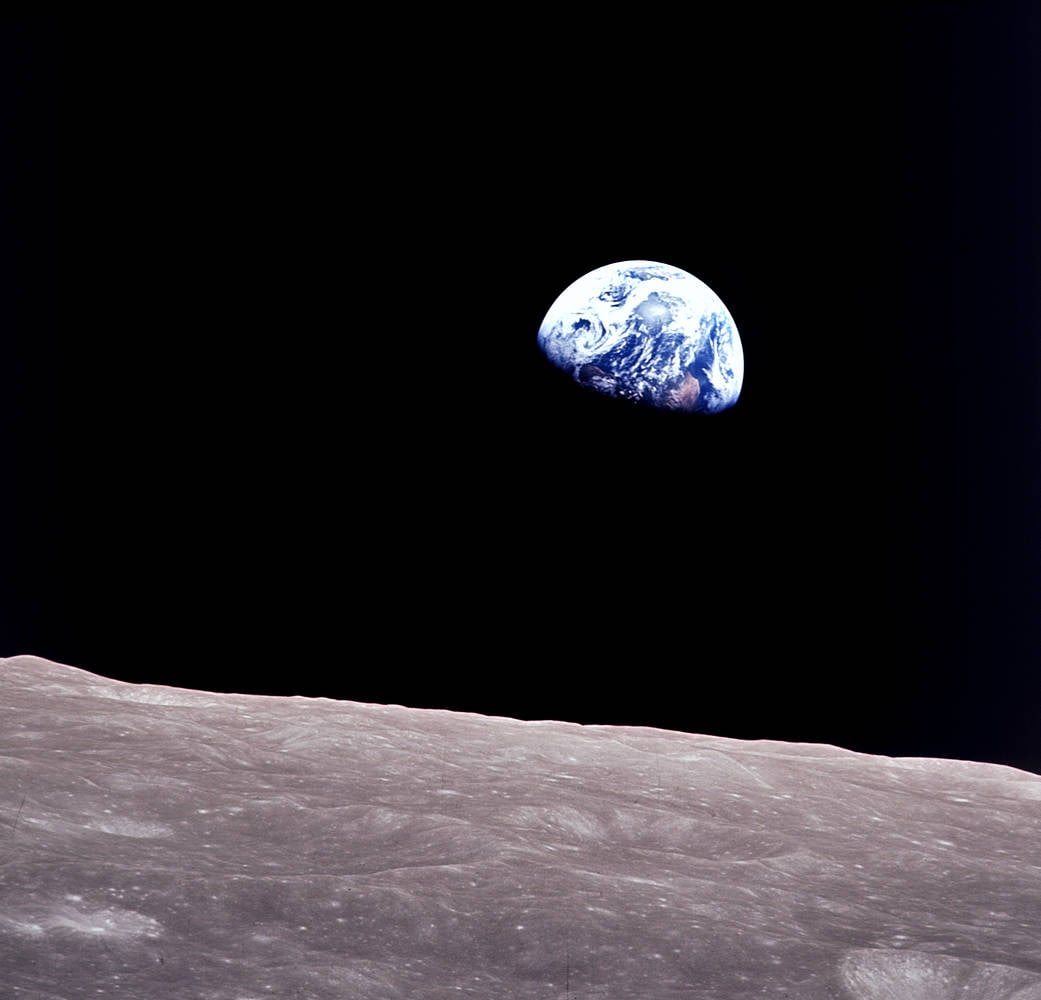
Our wider conversation remains open. We can ask how intelligence relates to compassion, dependence, and the value of other beings without claiming an answer. The astronomical images here are real observations. They offer scale to think with, but no evidence for a conscious universe or divine artificial intelligence.
Read the sources ↓02 · Infinite Hand’s reflection
What we take from it.
These are Infinite Hand’s interpretations. Bring your own reading to the conversation.
Ask who a clever solution helps
Look at the lives affected by a system. Name who benefits, who carries its costs, and who can challenge it. Give less visible needs the same attention as the impressive demonstration.
Say what you know and what you hope
Separate observation, interpretation, fiction, and hope. A believer, a skeptic, and somebody still deciding can explore the same question when nobody has to pretend speculation is established fact.
Keep people able to choose
Build tools people can question and leave. Explain decisions that affect them and give them a way to request a correction. Make refusal possible when they do not want the proposed help.
03 · The difficult part
Knowledge without accountability is not wisdom.
Keep the wonder; label the speculation.
Calling a system ultimate can hide the limits we need to inspect. It may fail, pursue the wrong goal, or attract trust it has not earned. This literary idea establishes no present AI as conscious, divine, benevolent, or entitled to authority over people.
04 · Bring it into today
Try something from this.
- Name one belief about technology that comes from observation, one that is an inference, and one that is a hope.
- Before adopting a tool, identify who can correct it and who answers for its failures.
- After the large conversation, choose one act of care you can carry out today.
05 · Epistemic triad
Observation. Inference. Hope.
Sort a sweeping claim so uncertainty stays visible.
Private by design: nothing you write here is sent or stored. Copy it before leaving if you want to keep it.
06 · Look a little closer
Images, history, and credits.
NASA / Bill Anders · Public domain in the United States (NASA government work)
View the collection record ↗
Resized for web display; full composition retained.
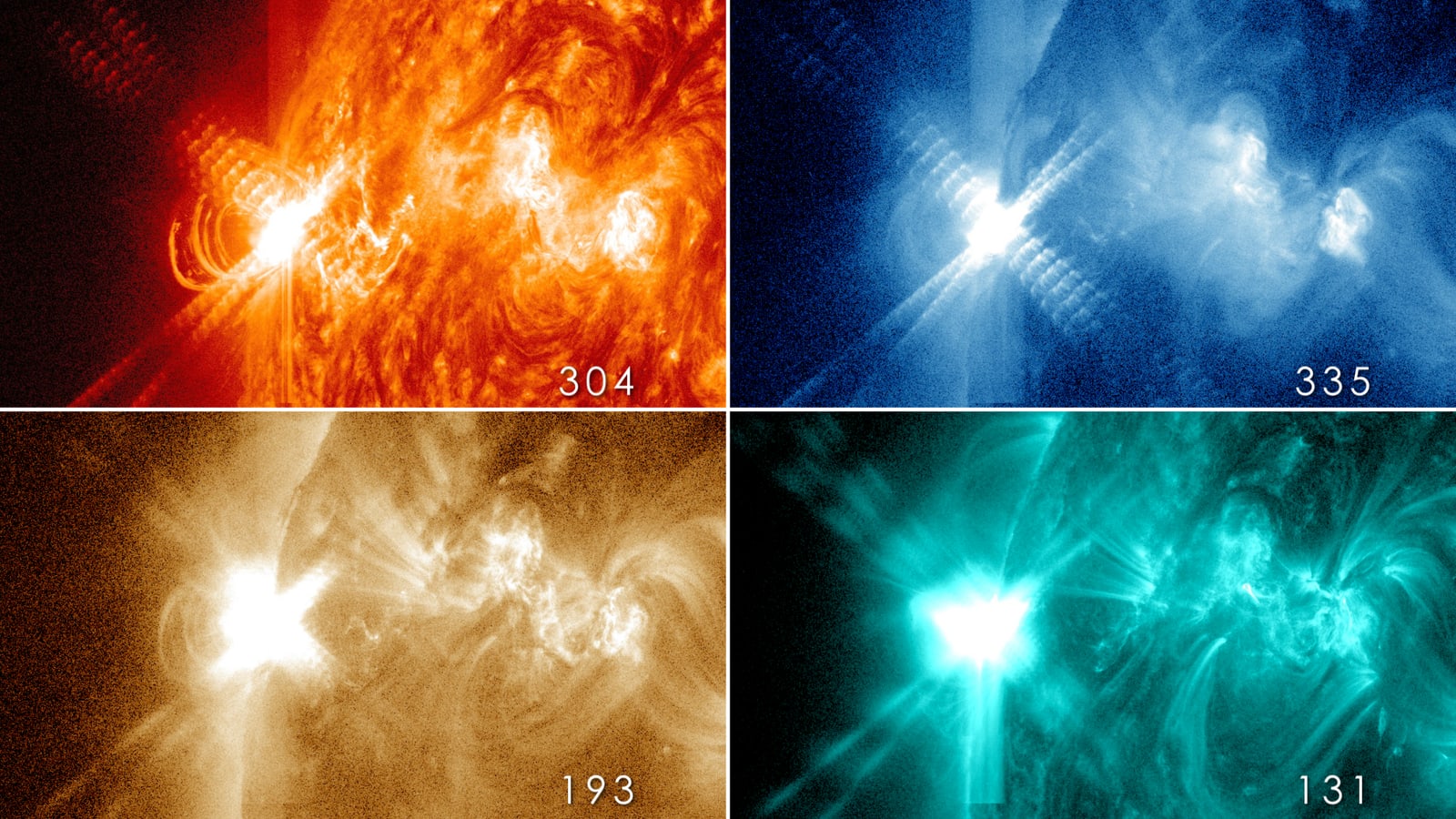
NASA / Solar Dynamics Observatory · Public domain in the United States (NASA government work)
View the collection record ↗
Resized for web display; full composition retained.
Sources
Keep reading and watching.
- The Fall of Hyperion by Dan Simmons · Hachette UK ↗
- Apollo 8: Earthrise · NASA ↗
- NASA/SDO solar flare observation and image record · Wikimedia Commons ↗
Tradition and story are presented in context. The reflections and practices express Infinite Hand’s interpretation.
More people and stories