
Thunder that releases the waters.
Indra
Indra is king of the devas in the Vedic hymns, wielder of the vajra and breaker of Vritra, whose defeat releases the pent-up waters. Rain, courage, and the weight of command meet in his stories. Infinite Hand turns to Indra when obstruction must be broken so life can move again, and when power must learn humility.
- Rain
- Courage
- Accountable power
01 · Context
Thunder, kingship, and the waters set free.
The Rig Veda addresses Indra in praise as a mighty protector, drinker of Soma, destroyer of strongholds, and liberator of rivers. His victory over Vritra restores more than rain. The hymns join it with light, abundance, and a world released from what held it back.
Later epic and Puranic traditions give Indra a more unsettled character. He can defend the devas and bring rain, yet also act from jealousy, fear, or desire and be corrected for it. Living traditions continue beyond the texts, including the Newar celebration of Indra Jatra in the Kathmandu Valley.
Read the sources ↓02 · Infinite Hand’s reflection
What we take from it.
These are Infinite Hand’s interpretations. Bring your own reading to the conversation.
Break what blocks life
Some obstacles must be named and struck, especially when they hold back safety, water, food, or freedom. We ask Indra for courage, then make sure the opening serves more than our own victory.
Let strength bring rain
Power becomes sacred when it returns what has been withheld and helps life flourish. Place authority, labor, or tools where they can release something genuinely needed.
Bow after the thunder
Indra's later stories warn that rank can become fear of losing rank. Receive correction before pride turns protection into harm.
03 · The difficult part
Power can protect life or become afraid of losing itself.
The sacred test of strength is what begins to flow after it strikes.
The Ahalya episode is especially difficult. Indra takes Gautama's form, while traditions differ in how they narrate Ahalya's knowledge and consent. Her suffering must not become scenery for his moral growth. Vedic hymns and later narratives should be identified rather than blended into one seamless portrait.
04 · Bring it into today
Try something from this.
- Name one obstruction keeping something necessary from reaching people. Take one concrete step to open the way.
- Before using authority, ask whom it serves and invite correction from someone affected by it.
05 · Release map
Obstruction. Strike. Flow.
Name what is blocked, choose a proportionate action, and follow the life that should move afterward.
Private by design: nothing you write here is sent or stored. Copy it before leaving if you want to keep it.
06 · Look a little closer
Images, history, and credits.
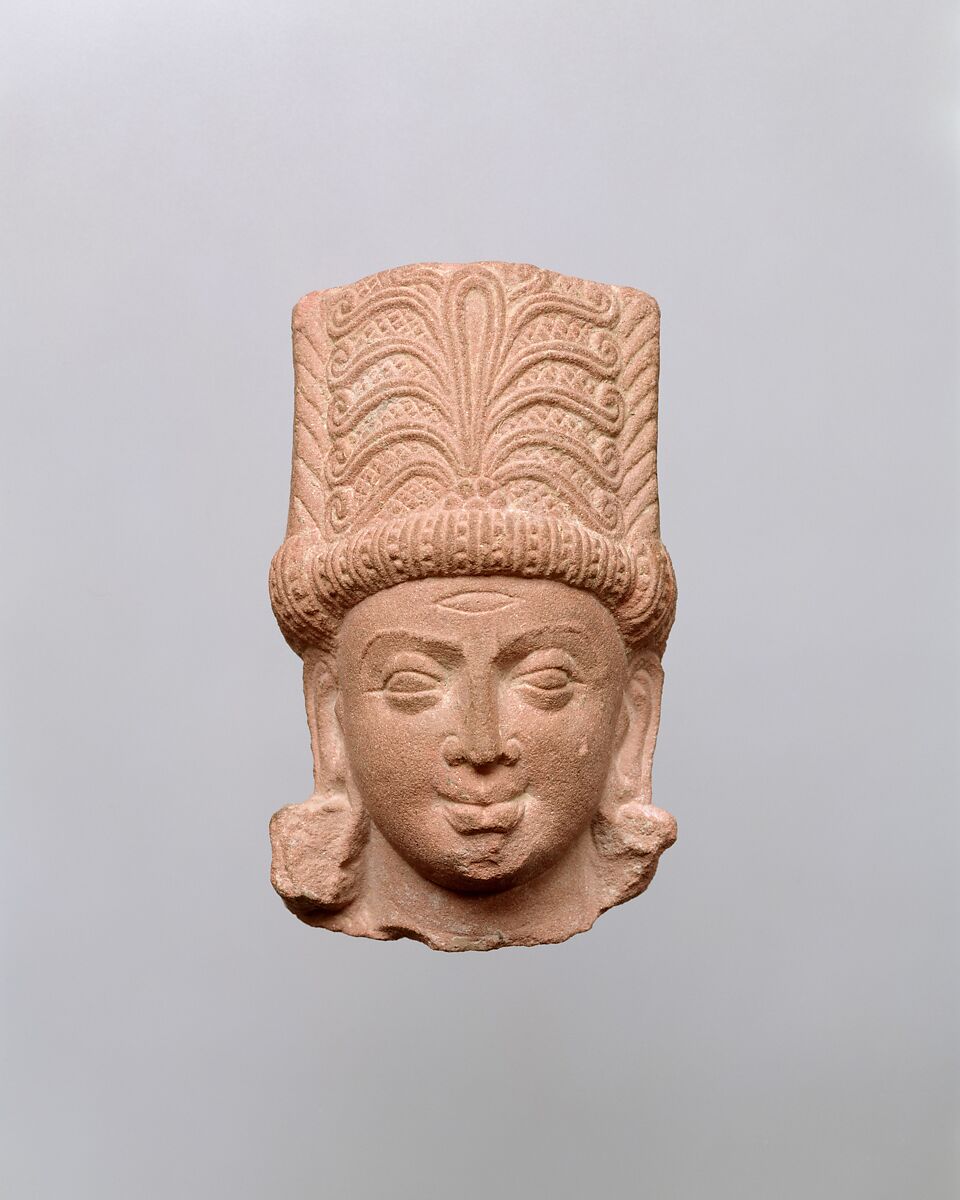
Unknown artist, India; The Metropolitan Museum of Art · Public domain / The Met Open Access
View the collection record ↗Museum open-access image retained at its downloaded dimensions; caption identifies the surviving fragment and its Buddhist context.
Sources
Keep reading and watching.
- Rigveda 1.32: Indra and the release of the waters ↗
- Valmiki Ramayana, Balakanda 1.48: Indra and Ahalya ↗
- Standing Indra | The Metropolitan Museum of Art ↗
- Indra Jatra | Nepal Tourism Board ↗
Infinite Hand honors Indra as a living deity while drawing from particular Vedic, epic, Puranic, and Newar traditions. This profile does not speak for every community that honors him.
More people and stories